
Barcelona Through a Designer’s Eye
Barcelona is the city where I began to see design everywhere.
I studied Interior Architecture at Escola Llotja, and the city became a second classroom. I learned to pay attention to how Mediterranean light moves across a room, how a patterned floor changes its rhythm, and how stone, ceramic, ironwork and color can carry the memory of a place. Modernista buildings sit beside contemporary spaces, and both are part of daily life.
Studying in Barcelona also taught me that the city’s design identity is not defined by a single period. I came to appreciate the dialogue between its historic architecture and its constant appetite for new ideas. Barcelona is not only Gaudí and the Gothic Quarter. Contemporary design, experimentation and a love of what comes next are just as much a part of the city.
Barcelona is the UNESCO-UIA World Capital of Architecture in 2026, which feels like an especially good moment to revisit the city through this lens. This is a personal selection of places that still interest me through their architecture, interiors, craftsmanship, food and atmosphere, rather than a complete travel guide.
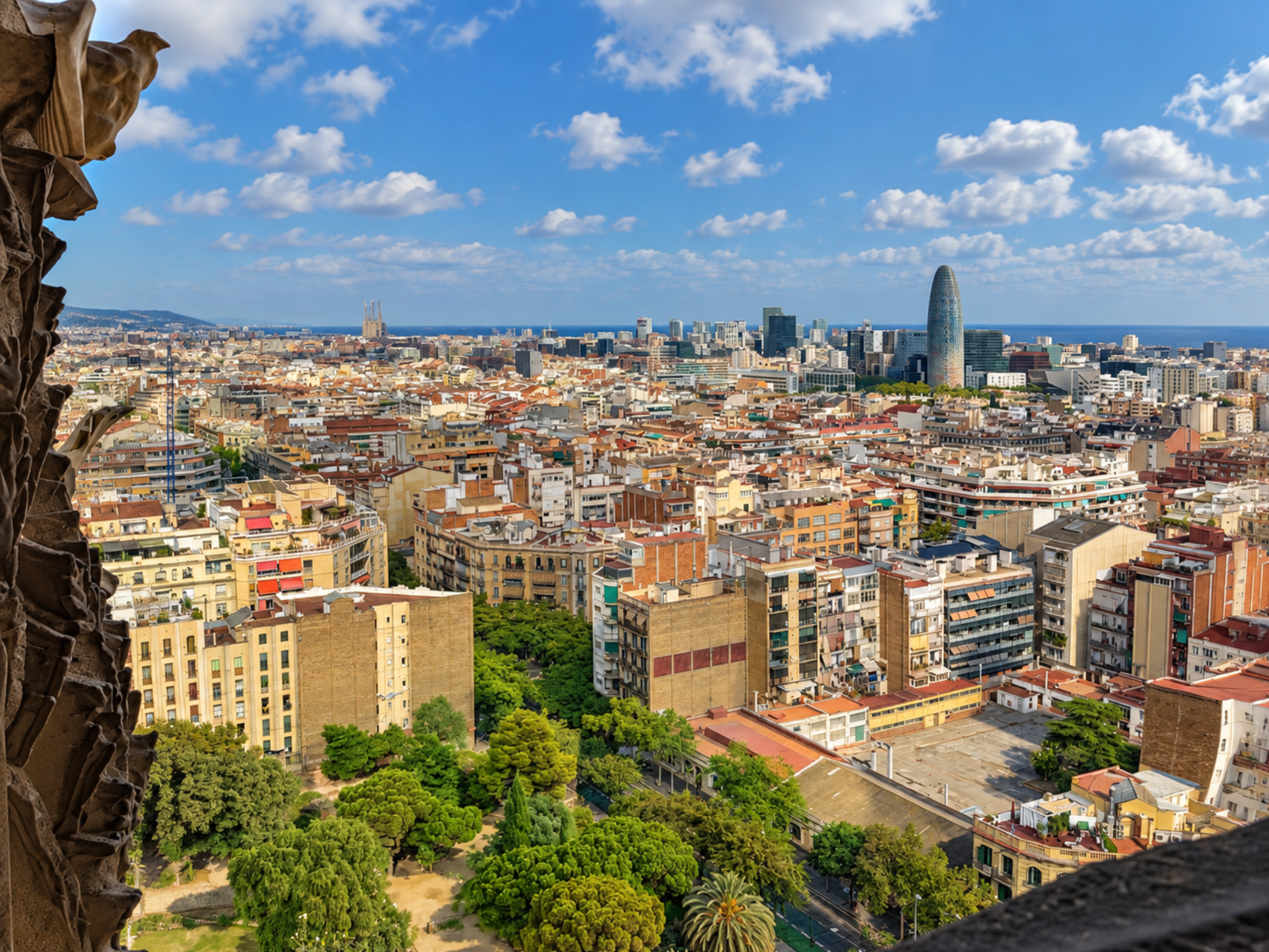
Where to Stay
The hotels I’ve selected each reveal a different side of Barcelona. Some make the architecture the main event; others feel woven into the creative life of their neighborhood.
Casa Bonay
Casa Bonay occupies an 1869 building in Dreta de l’Eixample, and it knows when to let the original architecture speak. Hydraulic tile floors and period details sit comfortably beside contemporary furniture and a lively, local spirit. It feels like a place made from Barcelona, rather than a hotel that could belong to any city.
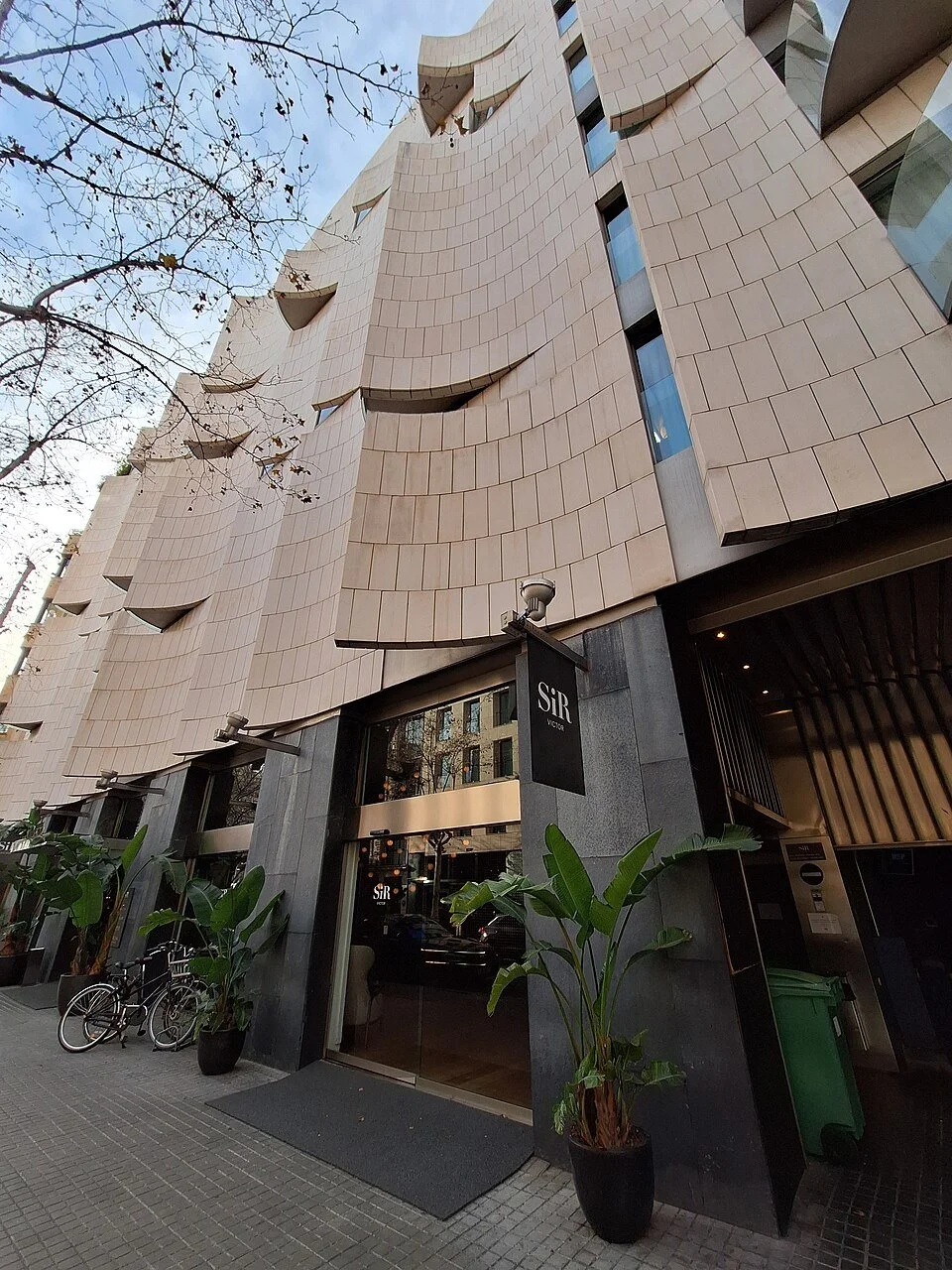
Close to Passeig de Gràcia and La Pedrera, Sir Victor has the confidence of a contemporary design hotel without losing its connection to the city. Juli Capella’s architecture and interiors by Baranowitz + Kronenberg combine dark walnut, natural stone, leather and sculptural lighting in a restrained, modern palette. I like the contrast between its contemporary interiors and the exuberant Modernista architecture just outside.
Hotel Brummell
In Poble-sec, this small independent hotel has a quieter, more relaxed energy. Its historic façade gives way to interiors shaped by warm materials and a tropical modernist sensibility. With just twenty rooms, Brummell feels personal and unforced, a good base for seeing a less formal side of the city.
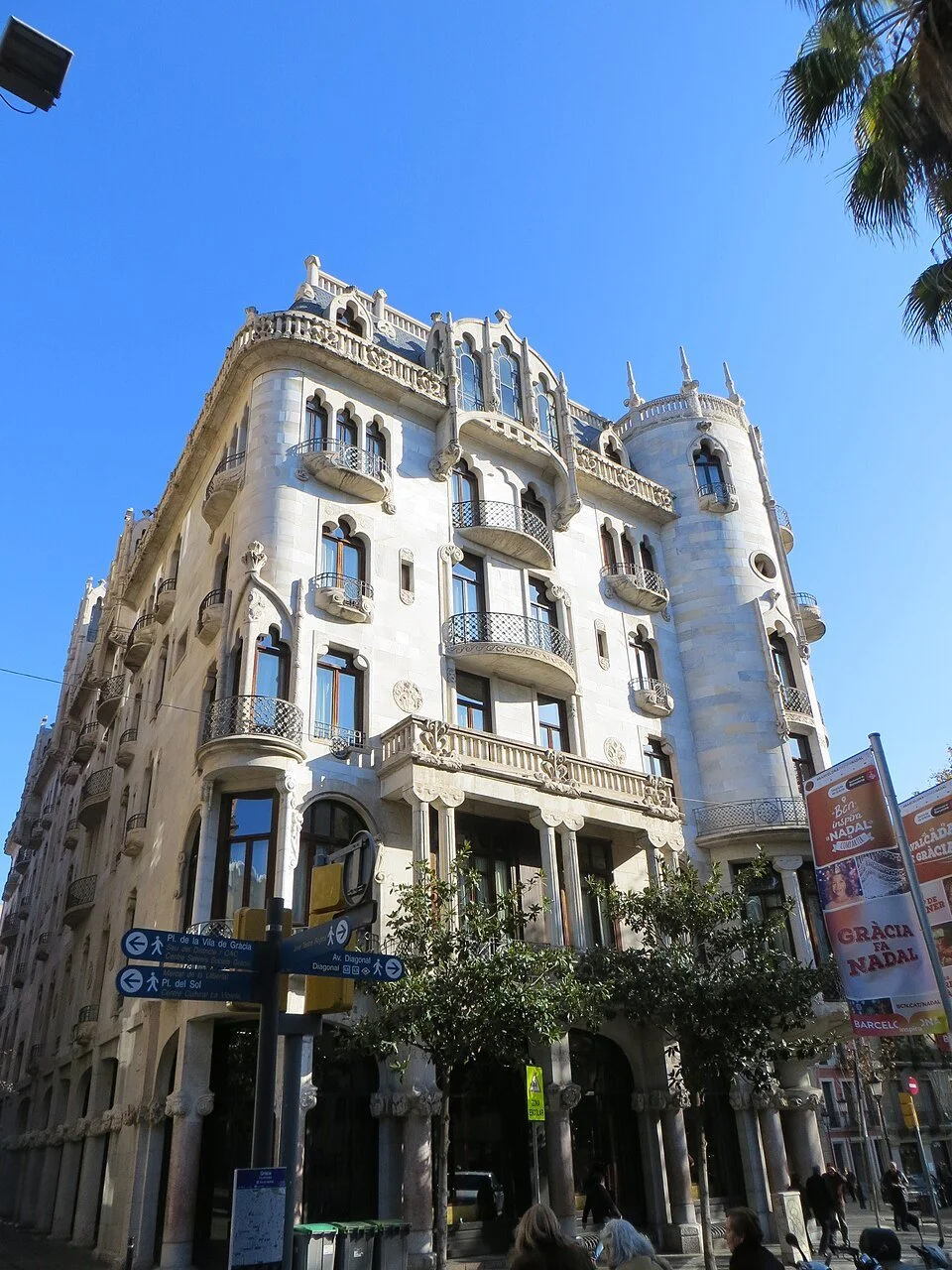
At the top of Passeig de Gràcia, Casa Fuster offers the pleasure of staying inside a work of Catalan Modernisme. Lluís Domènech i Montaner designed the building in the early twentieth century, and its white stone façade and expressive details still command attention. Here the architecture is reason enough to stay.
Photo: Mister No / Wikimedia Commons, CC BY 3.0
Where to Eat
Barcelona’s restaurants have always been part of how I connect with the city. Admittedly, these are not the restaurants of my college years (my student budget looked a little different), but they are places I love returning to now. I’m drawn to restaurants where the food and the room feel connected, whether that comes from a carefully designed interior or from decades of use that have given a space a character no designer could recreate.
Enigma
Eating at Enigma feels less like a conventional dinner and more like moving through a carefully choreographed experience. Albert Adrià’s food is experimental, but what stayed with me was how closely the space, lighting and atmosphere are connected to what arrives at the table. It is Barcelona at its most inventive, where the design extends far beyond the plate.
El Xampanyet
El Xampanyet is almost the opposite, and that is exactly why I love it. Open since 1929 in El Born, it is small, lively and usually crowded. I’ll often stop for a glass of cava and a few tapas and simply take in the tiled walls, bottles, noise and conversation around me. Nothing feels overly designed, yet the room has a character that decades of use have created naturally.
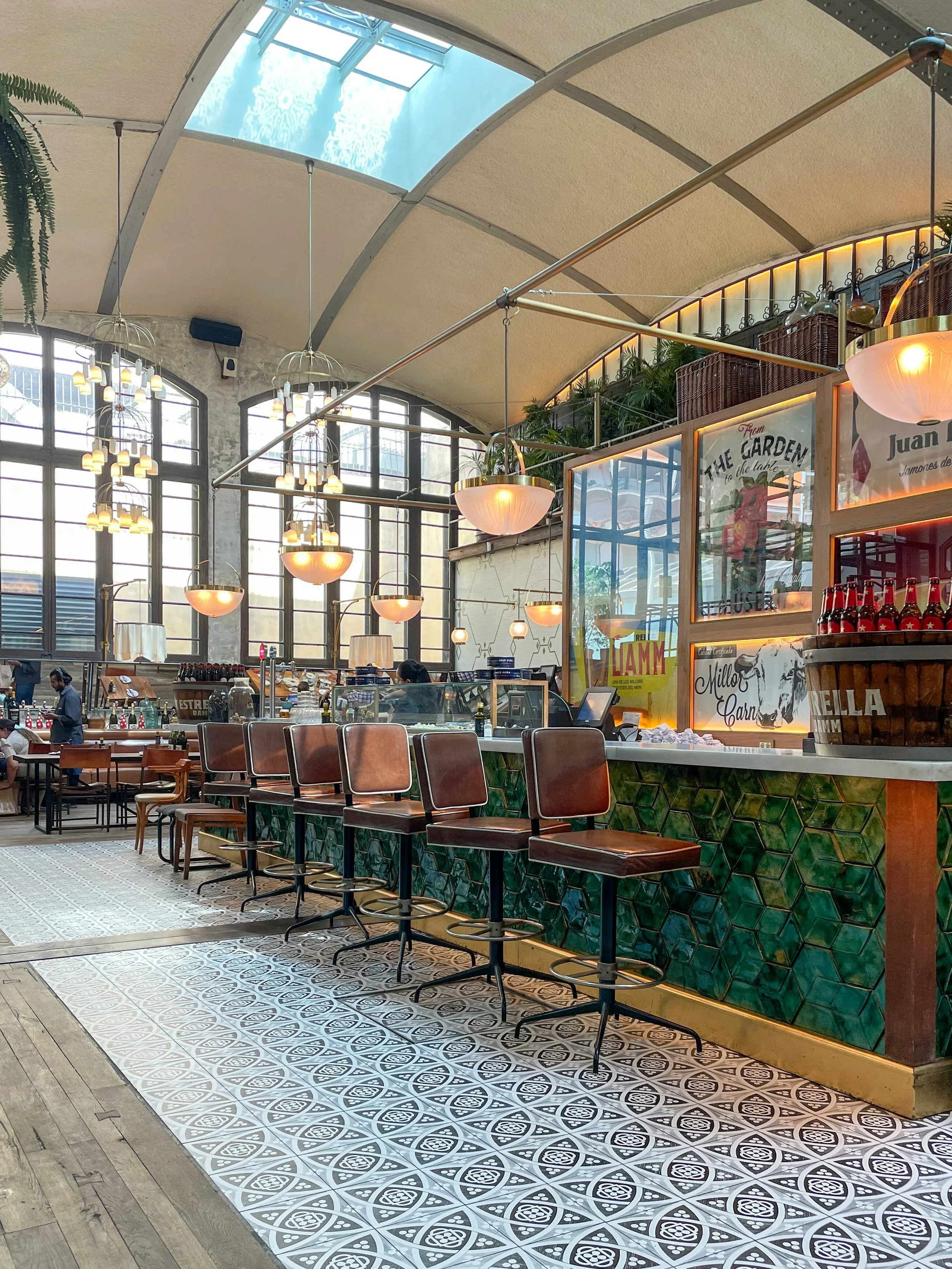
El Nacional is one of those places where I find myself admiring the room almost as much as studying the menu.
The interior by Lázaro Rosa-Violán brings together different restaurants and bars under one roof, each with its own personality while still feeling connected. What draws me in most is the way the design works with the history of the building rather than trying to erase it. It is another example of something Barcelona does so well: allowing an old space to take on a completely new life.
Photo by Jessa Lundquist / Unsplash.
Mont Bar
Mont Bar takes the relaxed idea of sharing small plates and turns it into something much more refined without losing the social feeling I associate with eating in Barcelona. The space is intimate, the food is precise and inventive, and the atmosphere never feels overly formal. It is the kind of place where sophisticated cooking still feels connected to the city’s casual way of gathering around a table.
Amiko
Amiko caught my attention immediately for its completely different energy. Masquespacio’s colorful, graphic interior is playful and unexpected, with color and form setting the mood rather than simply providing a backdrop. The design won the Café category at the 2025 Restaurant & Bar Design Awards, but for me, its appeal lies in how it shows Barcelona continuing to experiment. The city’s design story is not confined to its celebrated architecture; it is still evolving in places like this.
Design, Fashion & Creative Finds
These are the places I would visit to understand what Barcelona makes and how its designers think, from furniture and architecture to shoes, clothing and small objects.
OMG BCN
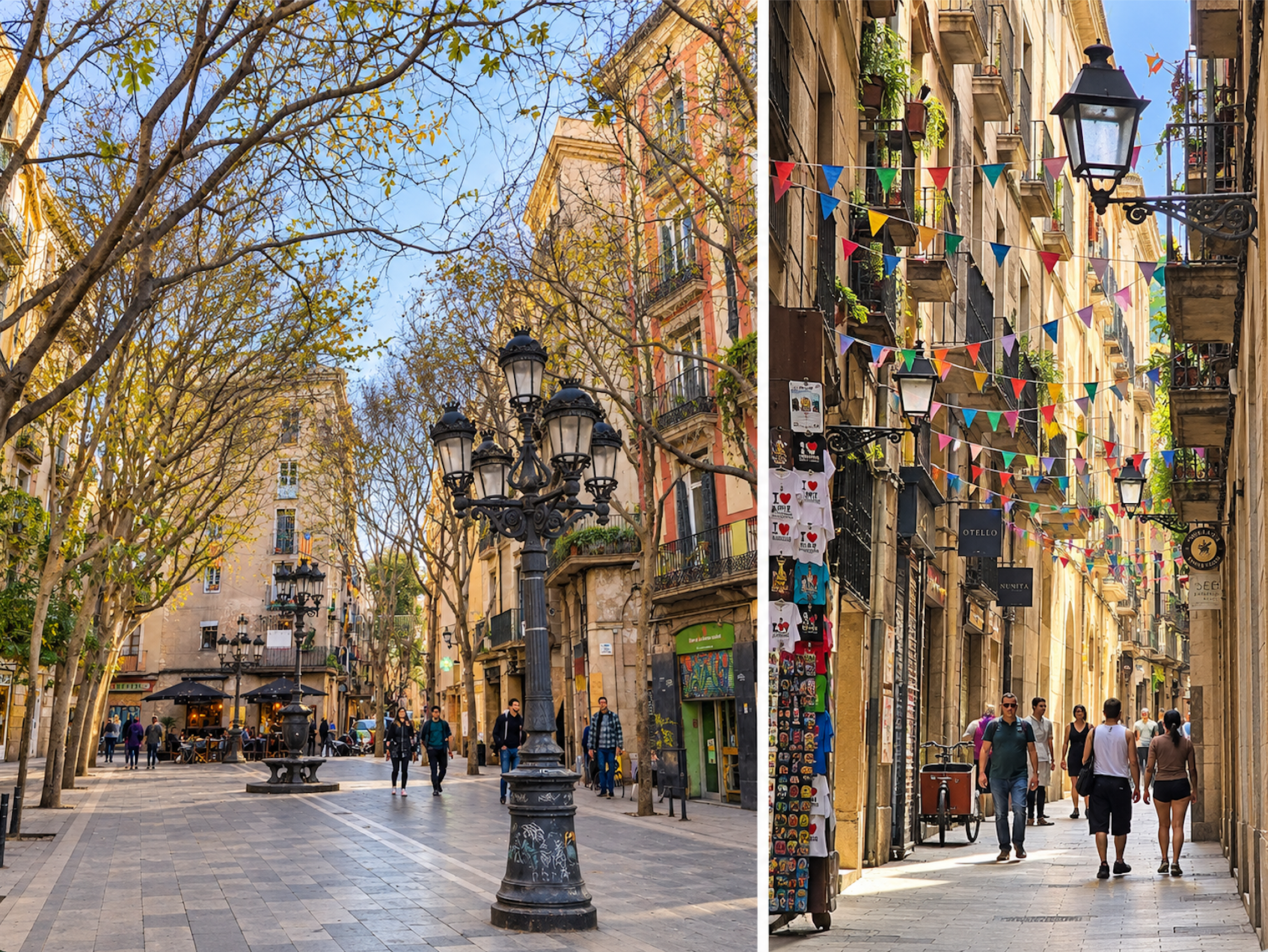
For a smaller-scale discovery, OMG BCN brings together work by Barcelona designers across objects, illustration, accessories and gifts. It offers a direct view of the city’s current creative community, with pieces that feel approachable and full of personality.
La Manual Alpargatera
In the Gothic Quarter, this long-running espadrille workshop connects design to making. The materials, the handwork and the familiar form of the shoe are all part of the story. I’ve included it here because Barcelona’s design culture is as much about craft as it is about furniture.
Mietis / Espai Mietis
Mietis represents another side of that independent spirit. Maria Fontanellas has created more than a fashion boutique in Poblenou: Espai Mietis combines the flagship with the studio, a customization atelier and a gallery. There’s something compelling about seeing fashion closer to where it is conceived and created, especially as an alternative to the increasingly uniform world of fast fashion.
Cubiñá at Casa Thomas
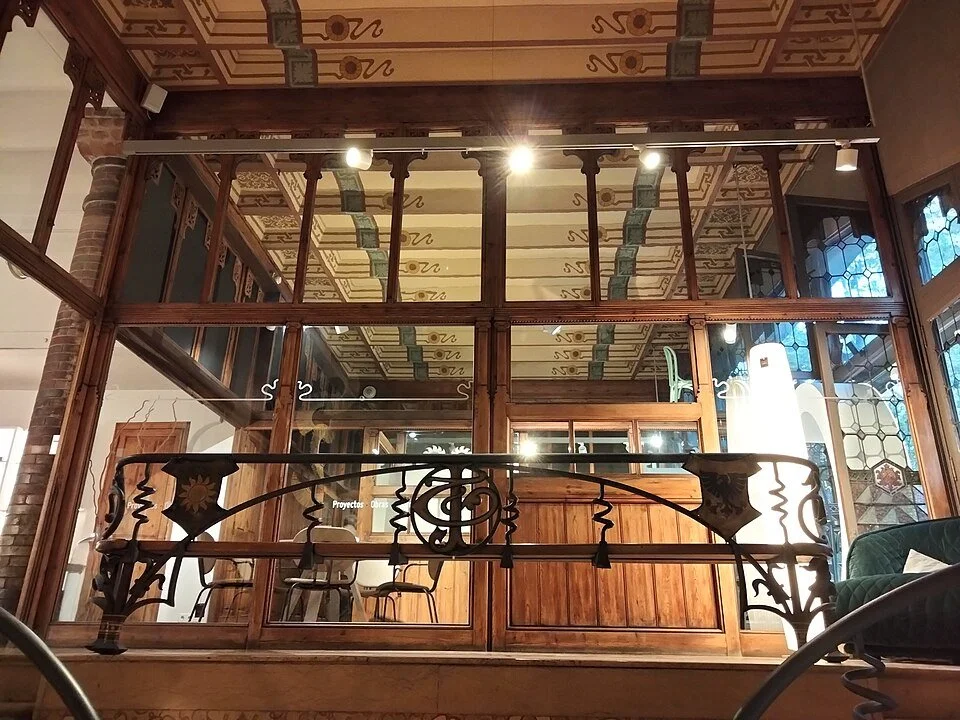
Photo: Enric / Wikimedia Commons, CC BY-SA 4.0.
The showroom is worth visiting for its setting as well as its contemporary furniture. Casa Thomas, designed by Lluís Domènech i Montaner, gives the collection a richly detailed Modernista backdrop. Encountering new design within those historic rooms is a lovely reminder that Barcelona’s creative periods keep speaking to one another.
Paloma Wool
Paloma Wool shows what can happen when that independent Barcelona creativity reaches an international audience without losing its identity. Its flagship on Avinguda Diagonal, designed by architecture studio p0, brings fashion, photography, art and architecture together rather than treating the store simply as a place to sell clothes. For me, that crossover between disciplines is very Barcelona.
BD Barcelona
In interiors, I am always more interested in pieces with an idea behind them than in furniture designed simply to fill a space. BD Barcelona has approached furniture that way since 1972, moving freely between design, art and architecture through collaborations with names such as Oscar Tusquets, Salvador Dalí and Jaime Hayon. The pieces can be rigorous, playful or unexpected, but rarely anonymous. That individuality is what makes BD feel so relevant in a world increasingly filled with mass-produced furniture.
What to Do
When friends ask me what to see in Barcelona, I always think the same thing: don’t try to see everything. Barcelona is a city best experienced slowly and on foot. Some of my favorite memories are simply of walking without a plan, turning onto a street I had never noticed before, and discovering an entrance, a courtyard or a façade that made me stop.
Of course there are buildings everyone comes to Barcelona to see, and many are extraordinary. But leave enough time between them to take in the city itself and occasionally wander off course.
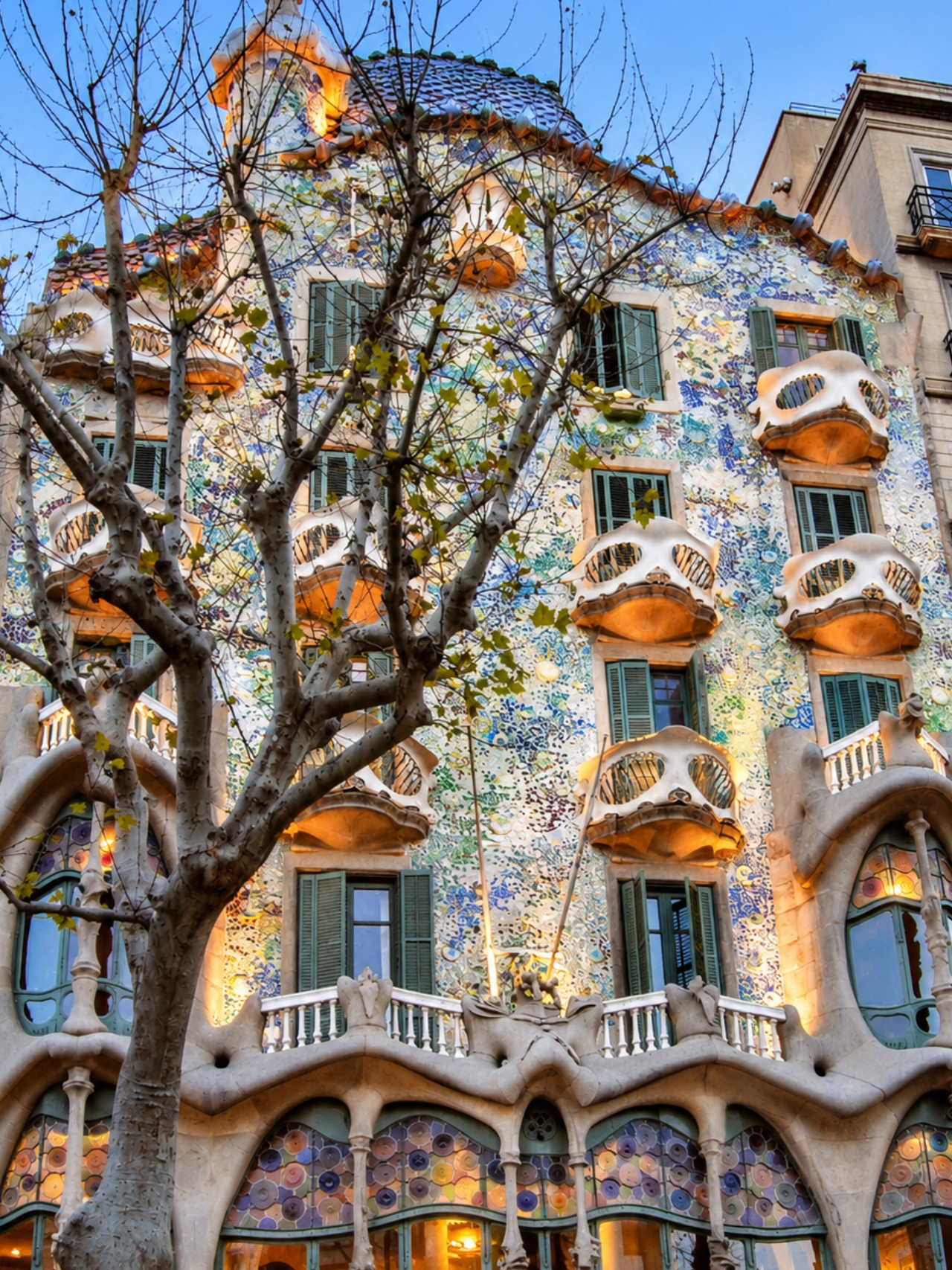
Walk the Eixample and the Quadrat d’Or
Start around Passeig de Gràcia, but don’t limit yourself to the avenue. Turn into the surrounding streets and walk. Gaudí, Puig i Cadafalch and Domènech i Montaner are part of the story, but so are the entrances, hydraulic floors, balconies, ironwork, stone and ceramic you encounter along the way.
Some of my favorite details are the ones that don’t appear in any guidebook. Look up, then look down. Barcelona rewards both.
Wander Through the Gothic Quarter and El Born
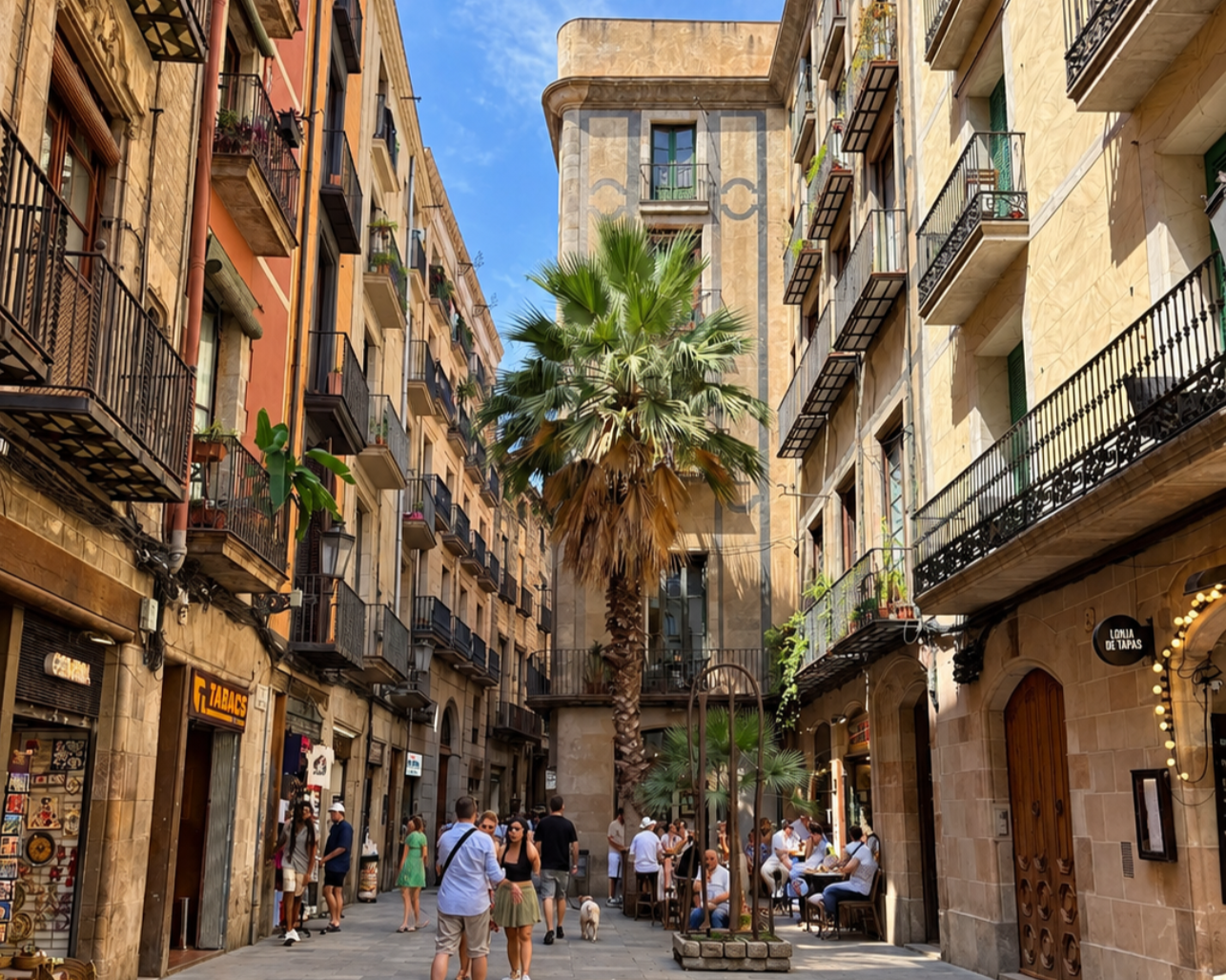
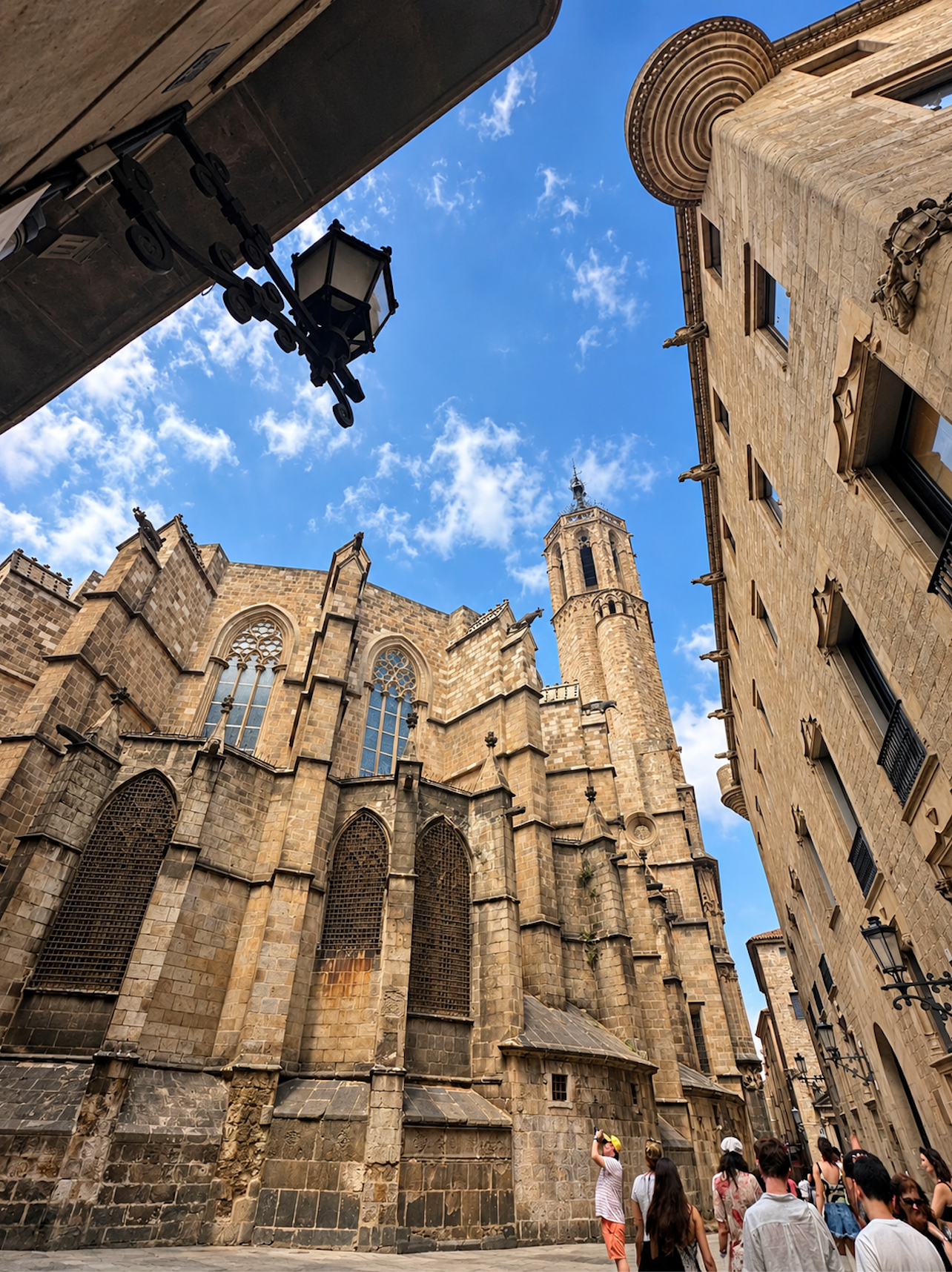
During my first year as a student, I spent a lot of time getting lost in the narrow streets of the Gothic Quarter. I remember looking up and realizing how much beauty was hiding above street level: façades, balconies, stonework and details that were so easy to walk past without noticing.
It taught me something I still carry into my work today: good design and architecture are often found in the details, not necessarily in what catches your eye first. It is a lesson in slowing down and paying attention.
Move away from the busiest routes and follow a passage, a courtyard or a quiet square. Take in the old doors, stonework and small shops that still give these neighborhoods texture. Santa Maria del Mar is worth pausing for, and Granja Viader is a wonderful old Barcelona stop when you need a break.
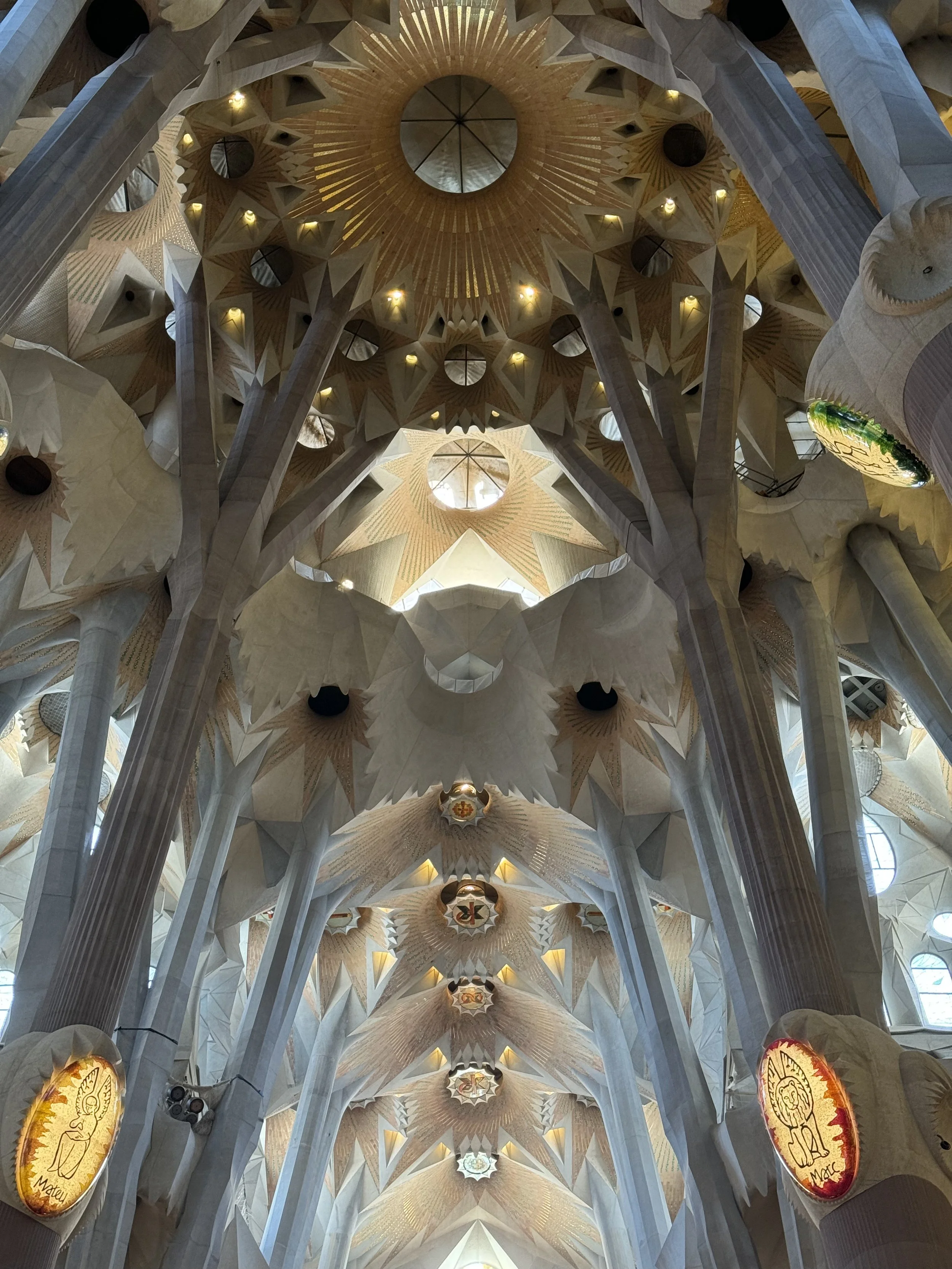
Choose One Gaudí House and Experience It Properly
Gaudí is impossible to separate from Barcelona, but I wouldn’t try to rush through all of his buildings just to check them off a list. Choose one and give it time.
Casa Batlló would be my choice. Notice how color, structure, light, craftsmanship and ornament all work together. Casa Vicens is another beautiful option, especially if you are interested in ceramic, pattern and color.
And the Sagrada Família deserves its own visit at least once. No photograph really prepares you for the scale of the interior.
Visit the Mies van der Rohe Pavilion
The Mies van der Rohe Pavilion has a particular significance for me. The work of Ludwig Mies van der Rohe and Lilly Reich was part of my design education in Barcelona and helped shape my appreciation for clarity, proportion, materiality and restraint.
After the exuberance of Modernisme, the Pavilion offers an entirely different lesson. Walk through it slowly and notice how a limited palette of materials, including travertine, onyx, marble, glass and steel, can create such richness. Walls define space without fully enclosing it, reflections shift your perception, and every proportion feels deliberate.
It is a place I still think about as a designer. It reminds me that restraint doesn’t mean simplicity for its own sake. When there are fewer elements, every material, junction and proportion matters even more.
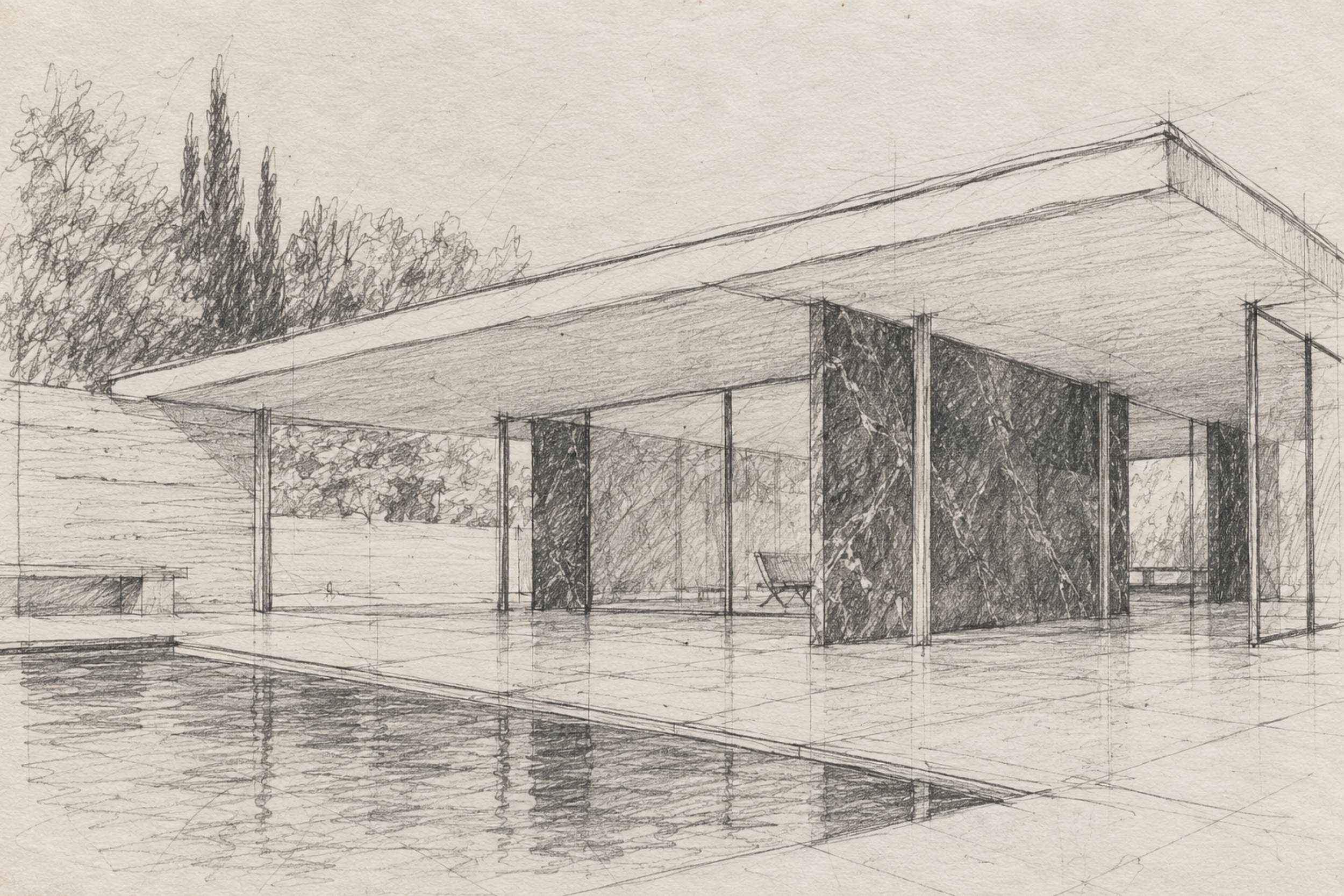
An architectural study of the Barcelona Pavilion, designed by Ludwig Mies van der Rohe and Lilly Reich.
Spend an Afternoon on Montjuïc
Montjuïc is somewhere I wouldn’t rush. Give yourself an afternoon for the gardens, architecture, museums and views back across the city.
You can combine the Mies Pavilion with the Fundació Joan Miró or MNAC, then simply walk. For me, architecture and landscape belong together here, with the city always appearing again in the distance.
Museums & Cultural Stops
When you are young, you don’t always realize how much the places around you are shaping you. You take certain things for granted: being able to walk into a museum, see extraordinary art, study inside beautiful buildings, or simply pass architecture every day that people travel from all over the world to see.
It was only years later that I understood how privileged I had been to have all of that around me while I was studying in Barcelona. Without really noticing it at the time, I was constantly absorbing art, architecture, color, proportion and history. All of it was quietly enriching the way I saw the world, and eventually, the way I approached design.
Perhaps that is also why, when I return to a museum now, I often find myself paying as much attention to the building as to the art inside it. The architecture, the way natural light enters a gallery, the sequence of spaces and even the approach to the building shape the visit.
These four are very different from one another, but each offers a reason to look beyond the collection itself.
Fundació Joan Miró
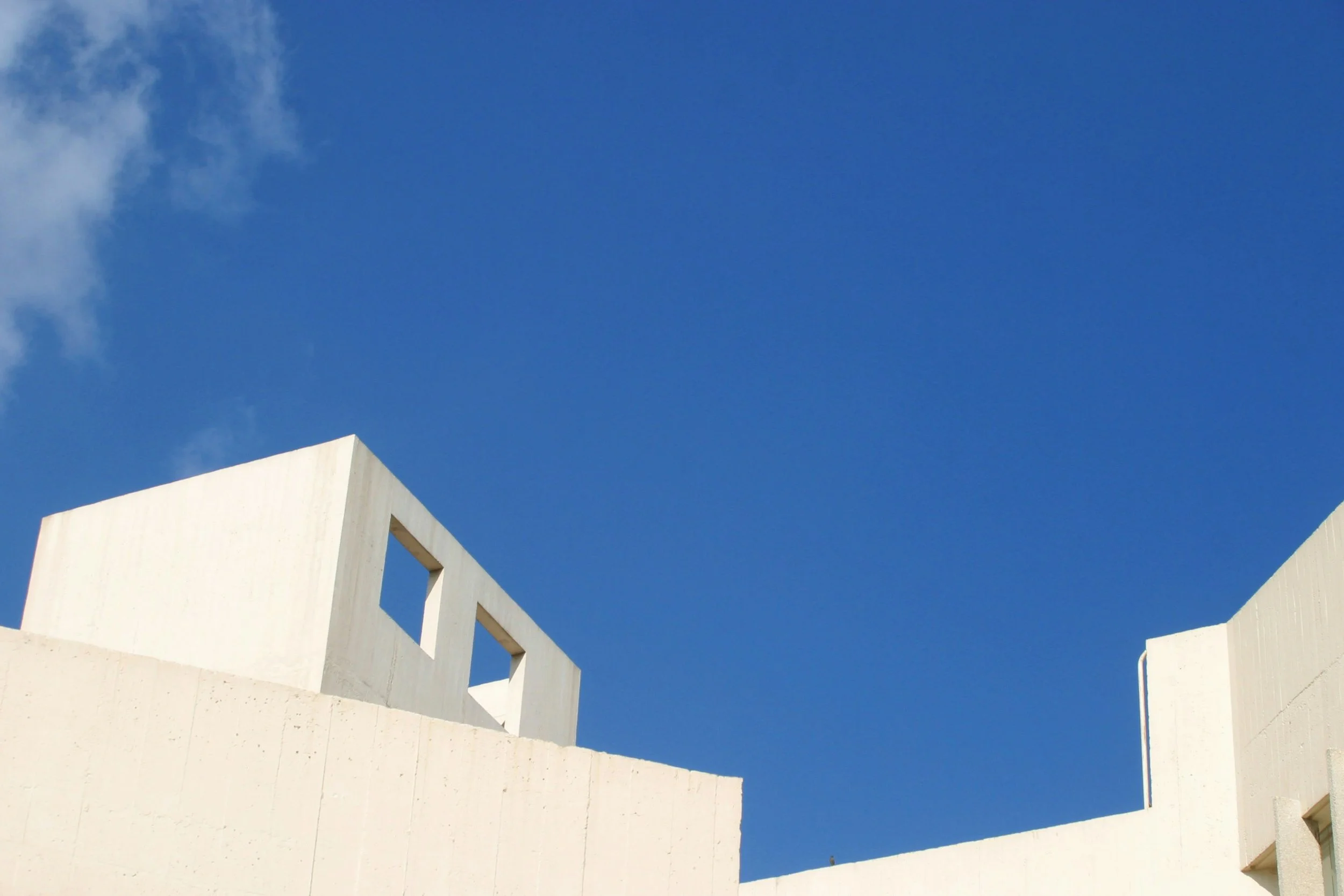
Fundació Joan Miró, Barcelona. Photo by Jan Genge via Unsplash.
For me, Miró’s work and Josep Lluís Sert’s architecture bring out the best in each other. The building feels distinctly Mediterranean: white surfaces, patios, terraces and natural light create a quiet backdrop for the art without ever feeling neutral or anonymous.
It is one of those museums where I would allow time for the building itself. Move between the galleries and exterior spaces, notice how the light changes, and how naturally the architecture connects to Montjuïc around it.
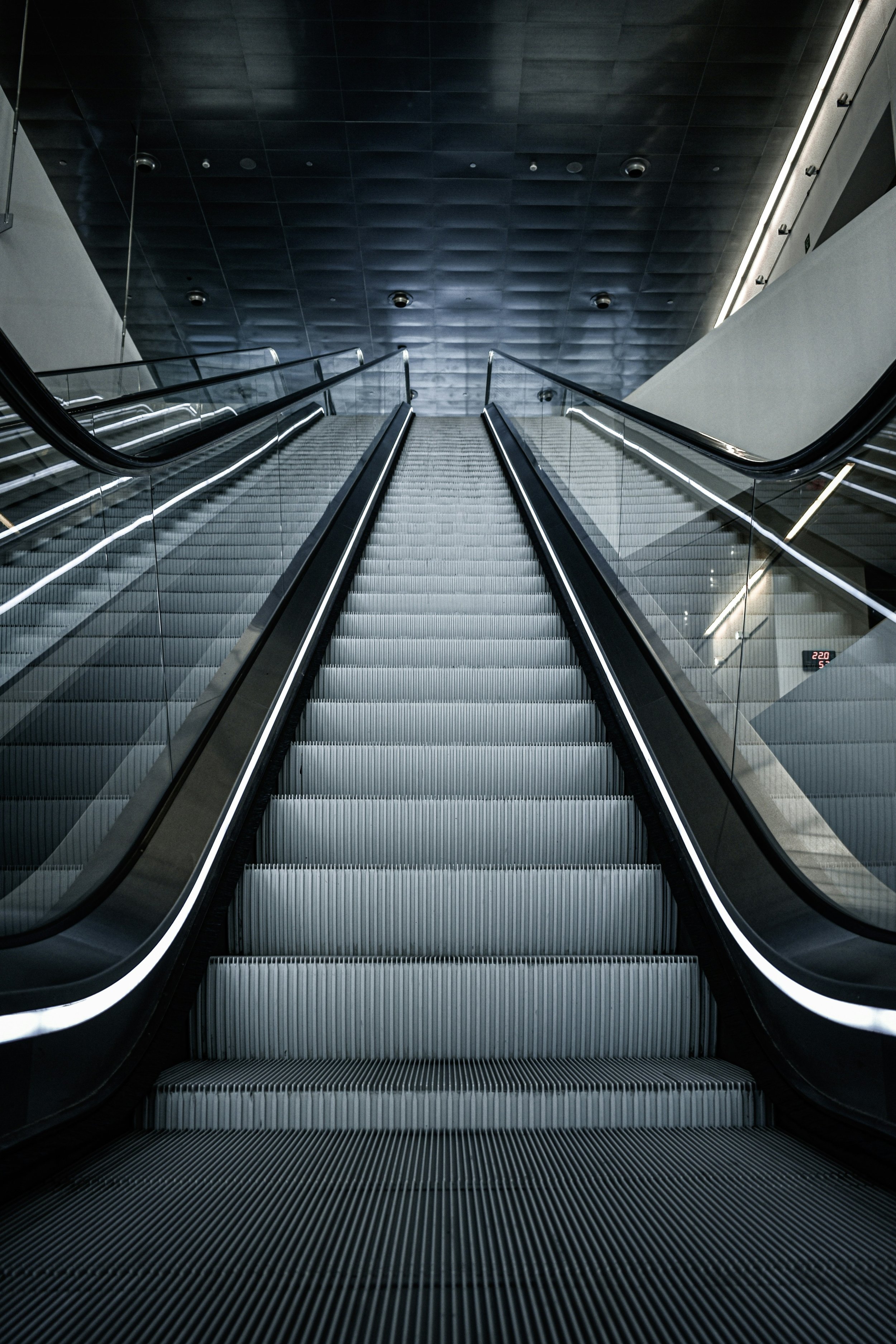
Disseny Hub Barcelona / Museu del Disseny
This is probably the museum most directly connected to my work. Its collections bring together product design, fashion, decorative arts and graphic communication, which makes it interesting to me because design is presented as something we live with, not simply something we look at.
I particularly enjoy seeing everyday objects given the same attention as more celebrated pieces. Furniture, textiles, ceramics, graphics and fashion all tell us something about how people lived, what they valued and how design responded to changing ways of life.
Photo by Martí Sierra via Unsplash.
Museu Nacional d’Art de Catalunya (MNAC)
A visit to MNAC begins long before you reach the galleries. Its setting on Montjuïc, the monumental Palau Nacional and the views back toward the city make the approach part of the visit.
Inside, I am especially drawn to the collection of Catalan Romanesque art. There is something incredibly powerful about the simplicity of the forms, the color and the graphic quality of these works. They feel very far removed from contemporary design, yet the lessons in composition, proportion and visual storytelling are surprisingly timeless.
MACBA
MACBA offers a completely different perspective. Richard Meier’s white architecture, geometry, glass and abundant natural light create a striking contrast with the dense, historic streets of the Raval surrounding it.
That contrast is part of what I find interesting. Barcelona is very good at allowing different architectural periods to exist beside one another without needing them to look alike. Inside, the large atrium and changing daylight continually change your sense of the building as you move through it.
A Final Note
Barcelona taught me how to look, although I don’t think I realized it at the time.
When I was studying there, I was surrounded by extraordinary architecture, art, craftsmanship and a creative culture that was always looking forward. I walked past centuries-old buildings on my way to class, discovered contemporary design behind historic façades, explored narrow streets, visited museums, and took in far more than I understood at the time.
Years later, I can see how much of that stayed with me. The appreciation for materials and craftsmanship, the importance of proportion and light, the dialogue between old and new, and the belief that good design often reveals itself slowly rather than demanding attention.
Barcelona is famous for Gaudí, Modernisme and its Gothic streets, and rightly so. But the Barcelona I love is also curious, experimental and constantly evolving. New designers, makers, artists and architects continue to add another layer without erasing what came before.
Perhaps that is what I carry with me most. A home, like a city, doesn’t need to belong to a single period or tell its story all at once. The most interesting spaces reveal themselves over time, through the things we notice when we slow down and look a little closer.
And Barcelona will always be one of the places that taught me to do exactly that.